PARIJATTREE OF JEWELS
Diamond Education
THE 4Cs, SIMPLY

Diamond Education

The stone, in plain English.

THE FIELD GUIDE

A magazine on the subject.

The Cut
CHAPTER 01

The Cut

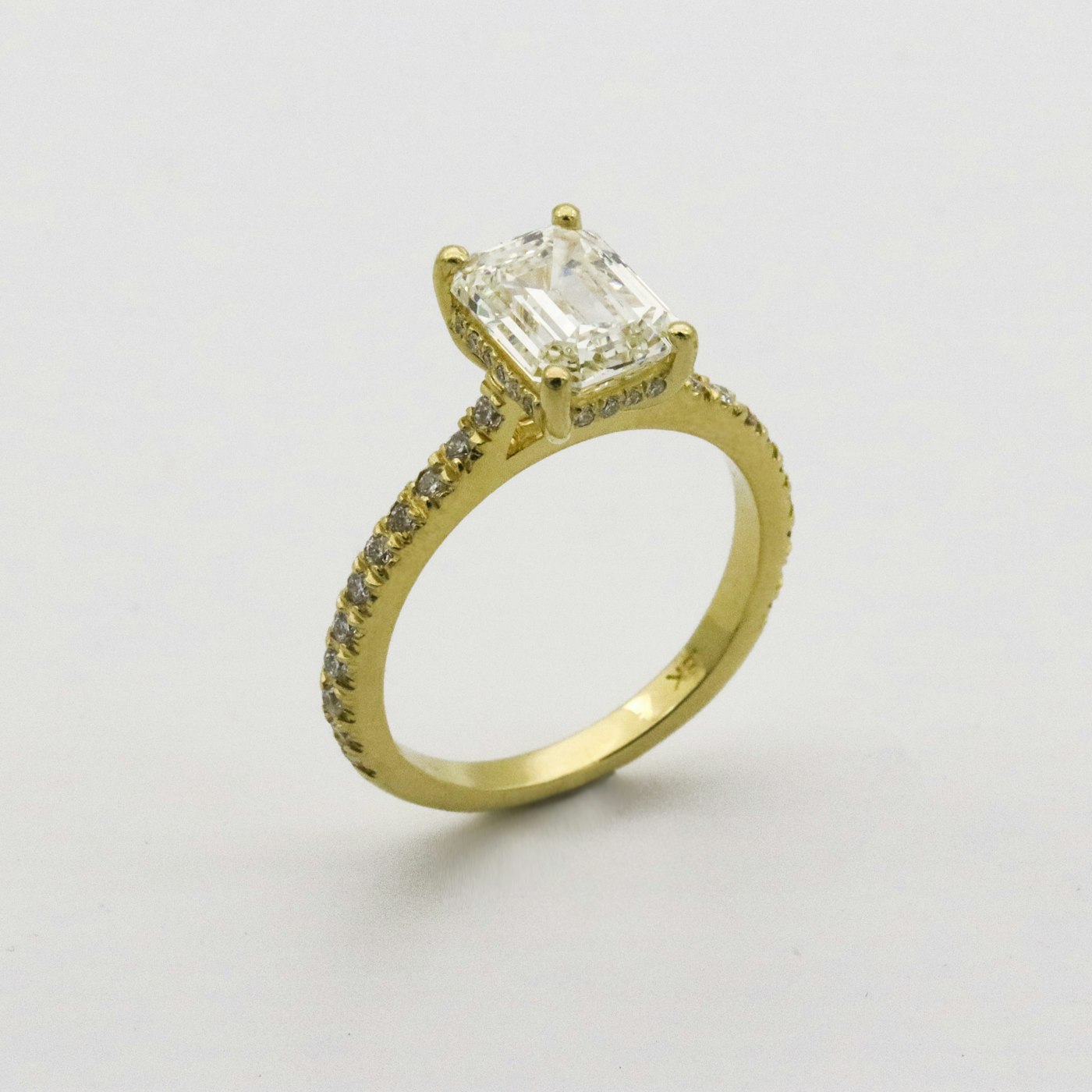
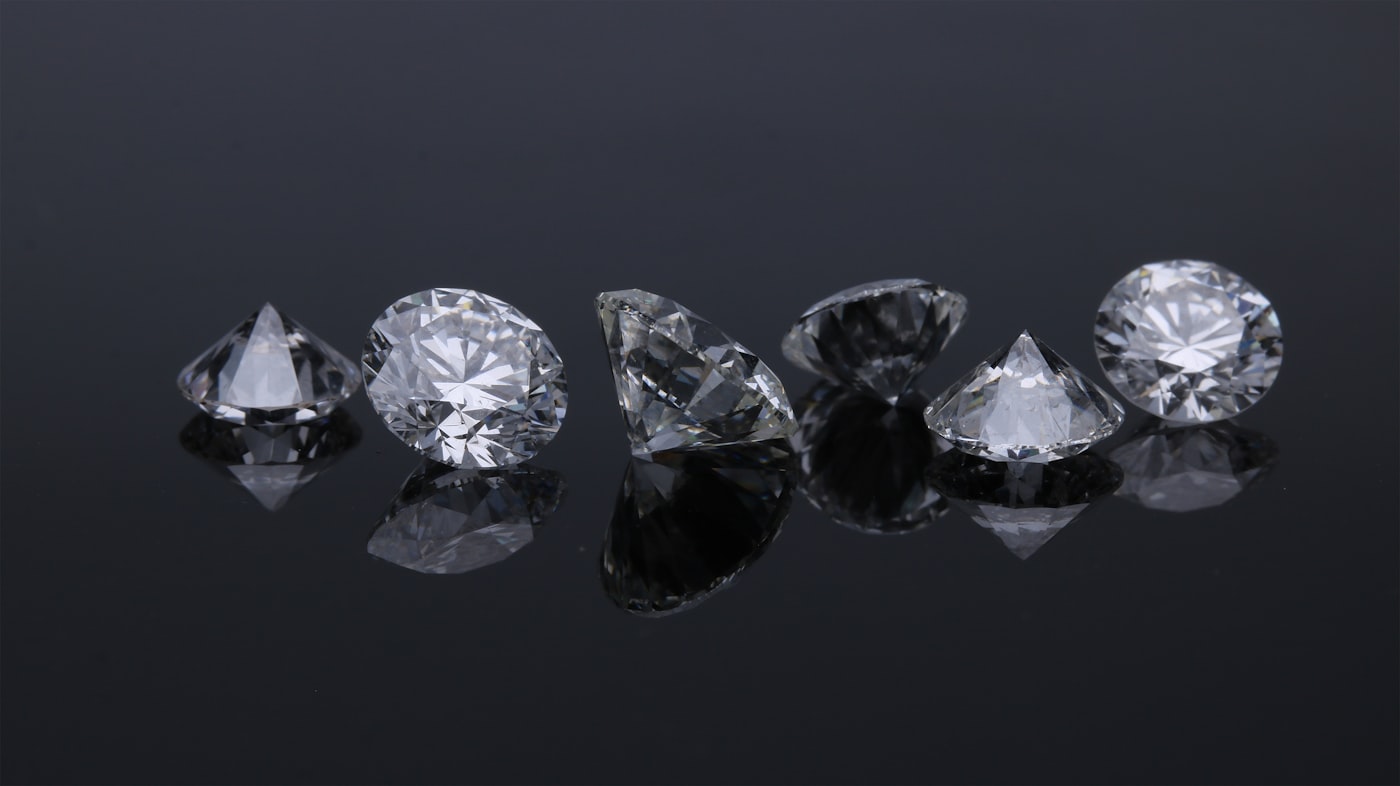
The cut is the only C entirely in human hands. A round brilliant is cut with 58 tiny mirrors, each angled to bounce light through the top of the stone. Get the angles right — and the stone dances. Get them wrong — and it looks like glass. Cut is the difference between a diamond that catches the room and one that sits inertly on the finger. We buy stones graded Excellent or Ideal in cut. Nothing lower reaches the atelier.
The Colour
CHAPTER 02

The Colour

Colour is measured D (colourless) through Z (light yellow). Below H, the eye starts to notice. Above H, you're paying for a difference you cannot see. Our advice: pick G or H for white metals; F or G if the setting is platinum and the stone will sit alone. On yellow gold, even I will read colourless. Save the money for cut.

The Clarity
CHAPTER 03

The Clarity

Every diamond has natural inclusions — the fingerprints of its formation. Clarity is a scale from Flawless (FL) down to Included (I3). For an engagement ring worn every day, VS1 or VS2 is our sweet spot: inclusions invisible to the naked eye, and the stone costs less than an equivalent VVS. Anything below SI1 begins to show.

The Carat
CHAPTER 04

The Carat

Carat measures weight, not size. A one-carat round brilliant is roughly 6.5 mm across; a two-carat is 8.2 mm — not double the width. Buy the size that fits the finger, not the number that sounds impressive. A well-cut 0.9 ct will out-sparkle a badly cut 1.2 ct every single time.

The Fifth C · Confidence
CHAPTER 05

The Fifth C · Confidence

The four Cs describe the stone. The fifth describes you. A ring should feel right in your hand, on your finger, in the room. Come sit with a few at our Bandra atelier — daylight, candlelight, the honest afternoon. The stone you keep coming back to is the one to take home.